Explore our latest tea harvests from the Namring Tea Estate
-
First Flush Darjeeling Tea l Upper Namring Tea Estate
Original price was: $32.00.$26.00Current price is: $26.00. -
Namring White Darjeeling Tea l Silver Needles
Original price was: $19.50.$15.00Current price is: $15.00. -
Second Flush Darjeeling Tea l Upper Namring Tea Estate
Original price was: $24.00.$18.00Current price is: $18.00. -
Special Reserve First Flush Darjeeling Tea 100G l Upper Namring Tea Estate
Original price was: $46.50.$40.00Current price is: $40.00. -
Special Reserve First Flush Darjeeling Tea 50G l Upper Namring Tea Estate
Original price was: $31.00.$24.00Current price is: $24.00.


Our Reviews
Joy M.
“Being associated with the plantations and Tea manufacturing since last 32 yrs and after tasting these batch of teas, I can only say these teas are one of the finest teas I have ever tasted.”
Clarissa T.
“This tea is fantastic! The aroma upon opening the bag was simply amazing. The sweet flavor was quite a surprise, so there was no need to add any other ingredients to my cup of tea.”
Allyson K.
This tea was delivered quickly and I was very impressed with its elegant packaging! Even more impressive was the actual taste. It’s light, fresh, and has lingering cleansing notes that would make this enjoyable both hot and iced.”
Making the Perfect Cup

Tea is a deep part of cultures all over the world, evident in the manifold forms and uses we find today. As such, brewing methods can differ significantly, not only from culture to culture but even between individuals. That being said, today we see two main styles among tea lovers: Western/English style and Chinese Gong Fu style.
The only mistake I could make in recommending to our customers would be to say there is only one way to brew Darjeeling tea. In my time of tea tasting, I continue to try new brewing techniques, leaf-to-water ratios, temperatures, brewing vessels, etc., in an effort to get the most out of a given tea.
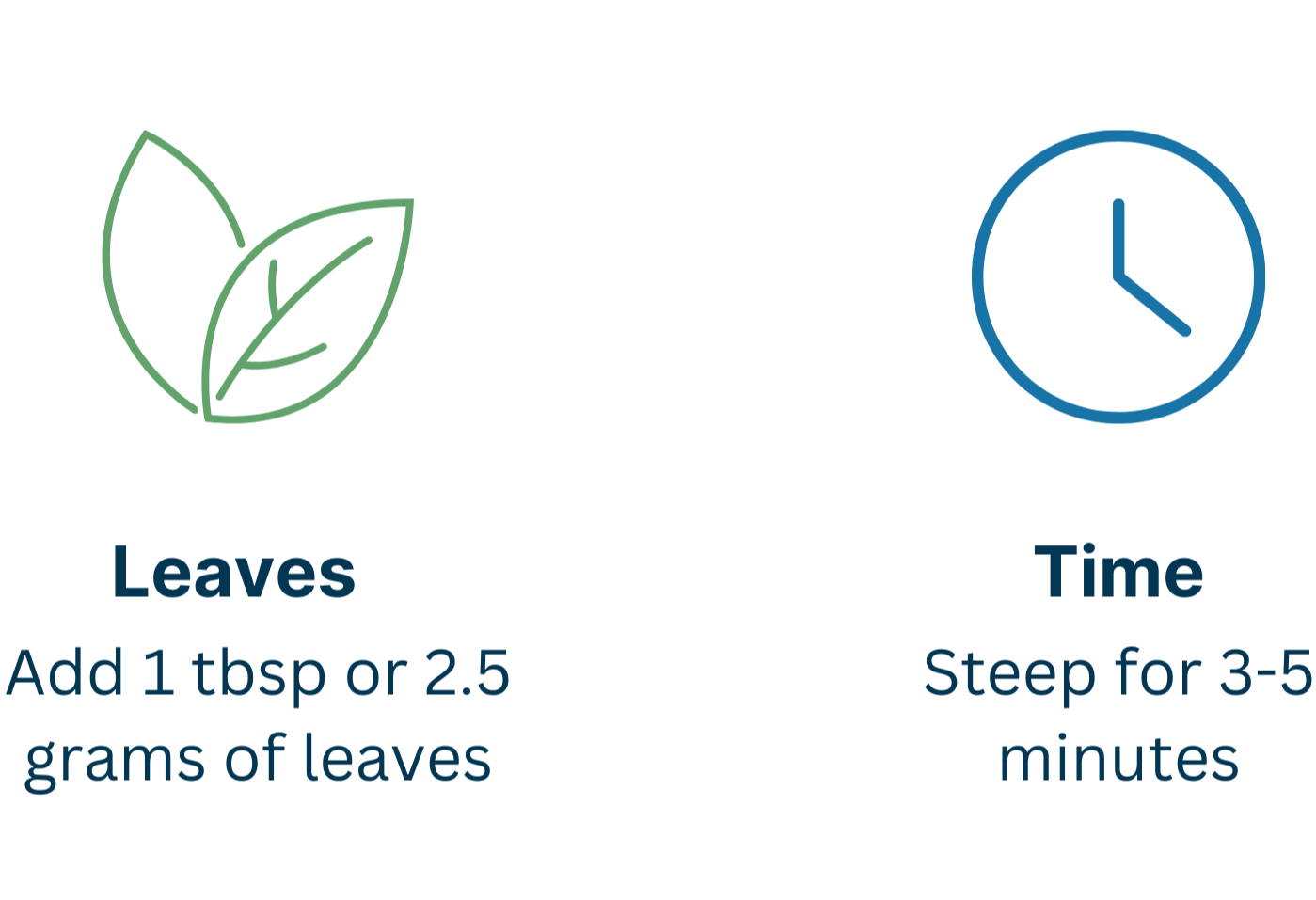
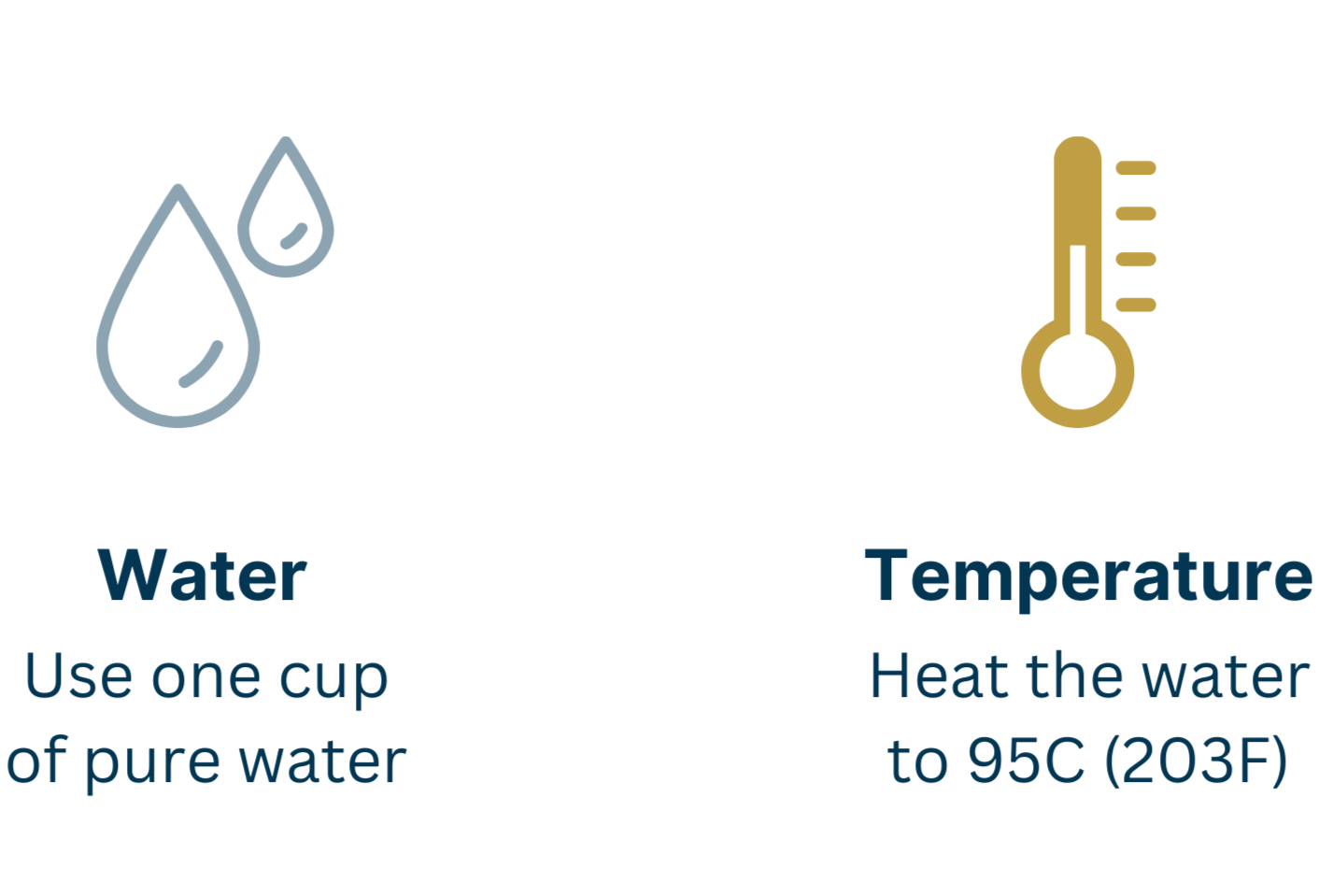
On our packaging, we chose to offer steeping instructions that align with the standard of other tea merchants, but I encourage any tea lover to deviate from them!
While Darjeeling tea history begins with the English and their tea-drinking culture, and the Western style of brewing absolutely yields a flavorful cup with our fine leaves, the Gong Fu method is just as valid. Our tea will certainly reward its practitioners with the flavors they seek. Those familiar with fine Chinese teas will feel right at home with our tea.
With your vessel of choice, quality water, and your choice of Hill Town Tea Co. tea, let us brew with mindfulness in pursuit of an excellent cup.
Making the Perfect Cup: Water
The right water is just as important to the flavor of your tea as is the leaf. Water that is too hard will overwhelm the flavors with excessive minerals. Not enough minerals and the taste will be dull. pH level and oxygenation are also important factors. When choosing a water with which to brew our fine teas, consider the following guidelines:
- pH level of around 7
- Thoroughly filtered but not distilled
- Freshly drawn water (from a filtered tap or otherwise) will be more oxygenated
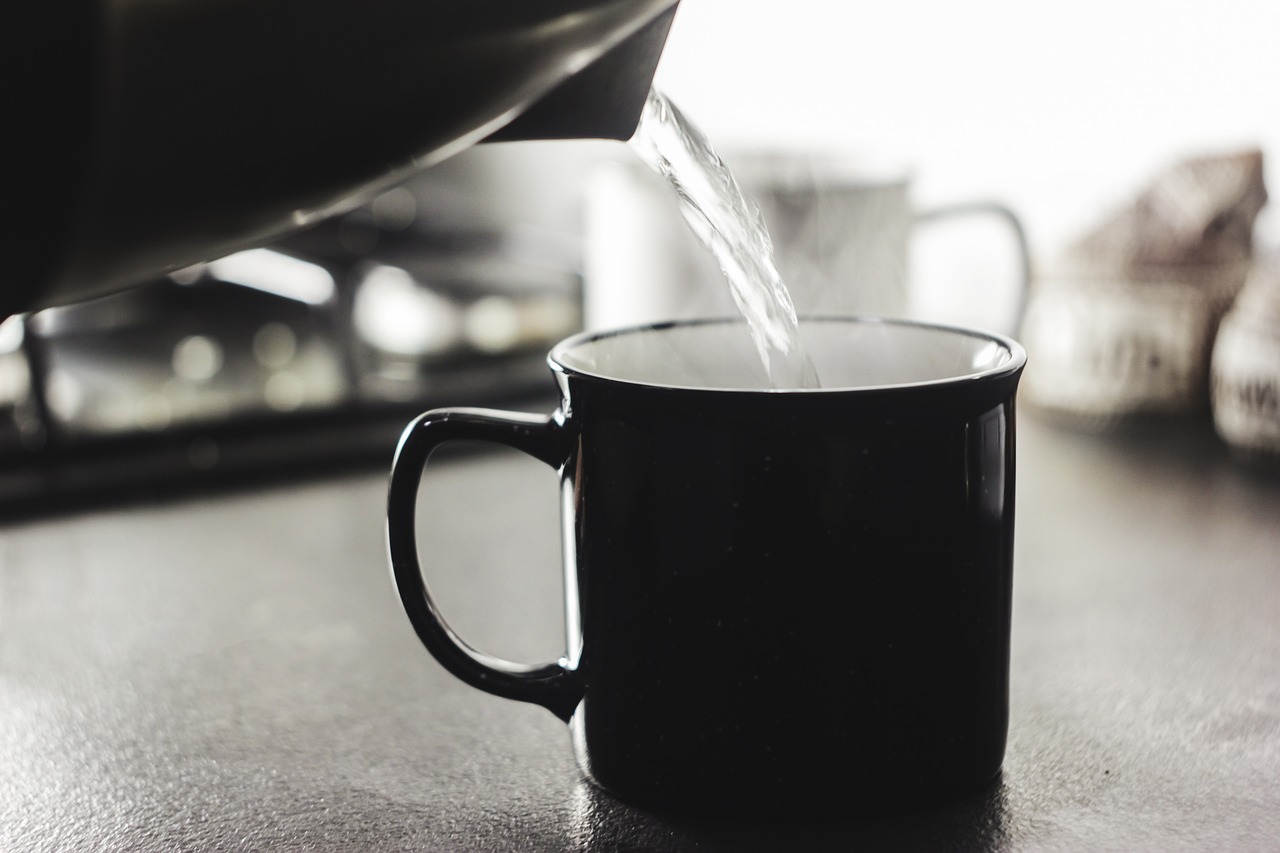
- Do not use reboiled water
- In the case of bottled water check the mineral content. Some brands add excessive minerals for taste that would adversely affect tea flavor. Plastics can also affect taste.
Making the Perfect Cup: Leaves
Beginning with the soil and the Camellia Sinensis plant all the way through picking, processing, and finally brewing, the tea leaf takes a long journey before finally delivering its fine flavor to your taste buds. Every step of this journey influences the kind of tea you find yourself enjoying.
The Terroir: At Namring Tea Estate, the acidic soil, high elevation, and abundant rainfall provide the perfect starting point for our tea.
The Cultivars: Three different tea bush cultivars are grown here: Assam, Clonal, and China. Each cultivar carries distinct leaf characteristics and flavors. The China bushes, grown from seeds, are particularly hardy and some are as old as the estate itself, up to 150 years.
The Picking: Only the youngest and freshest leaves are selected for certain harvests. The leaves are meticulously picked, consisting of the top two leaves and one bud.

The Elevation: With elevations reaching up to 5,500 feet above sea level, the conditions are ideal for tea growth. The cooler temperatures at this altitude cause the plant to concentrate more nutrients in the leaves, and fewer insects are present, reducing the need for pesticides.
The Grade: Only the highest grade of tea, FTGFOP1 or higher, makes it to our shelves, ensuring the leaves are as whole and unbroken as possible. Whole leaves, though lower in quantity, result in a richer brew with less unwanted bitterness.
Finding the Perfect Cup: Tastings
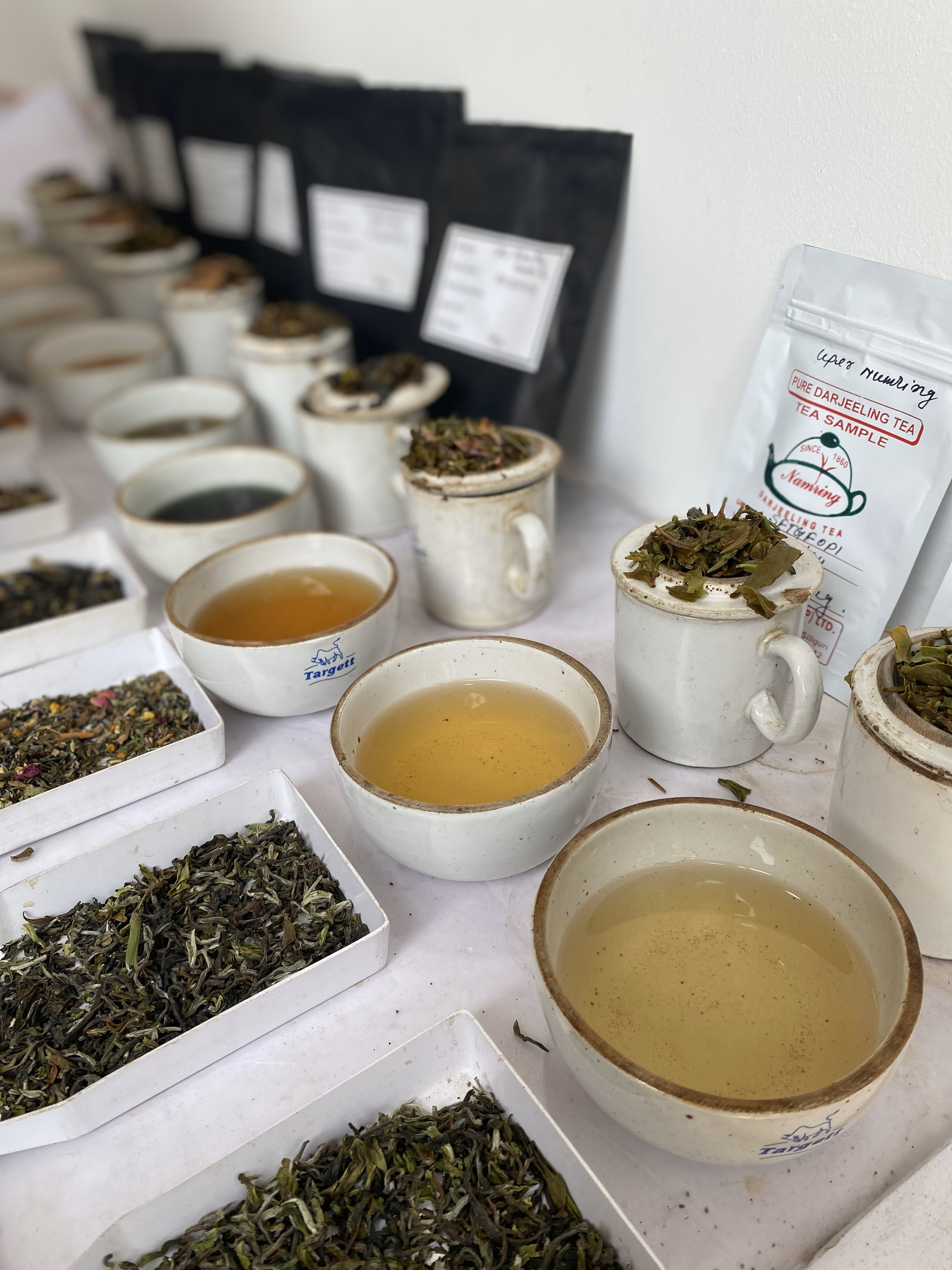
Our tea tasters in West Bengal meticulously sample teas from various harvests to identify the most exceptional brews. We assess each leaf based on three key factors: appearance, tea liquor, and infusion quality. By handpicking only the finest leaves, we ensure that every cup of tea captures the essence of Darjeeling’s renowned tea heritage.